Bogus Basin is committed to safety and injury prevention all year-round. In honor of that commitment, we’ve collaborated with the TBI Team at Boise State University to produce a comprehensive guide on protecting against Traumatic Brain Injuries (TBIs). Keep reading to learn more about how to prevent TBI when you’re out on the trails this summer, so you can stay safe and stay shredding!
The information in this article was provided by a group of Boise State University students.
What is TBI?
Traumatic Brain Injury, or TBI, is the result of an outside force to the head causing internal damage that can cause headaches, confusion, blurred vision, light sensitivity, and other complications.
TBIs are a common risk in mountain biking due to variable outdoor conditions, riding out of control, falling, or collisions with other people or objects.
Some causes of falls, collisions, and/or injuries on the mountain may include:
- Other riders
- Personal decision making
- Weather
- Personal equipment malfunctions
Collisions and Causes
Traumatic Brain Injury is caused by collisions with an object or person that causes internal damage of the head. Common causes of collisions in mountain biking include collisions with a fellow rider, and collisions with rocks or trees.
Collisions are the leading cause of TBI’s in alpine sports, like mountain biking. Riders can help to prevent TBIs by knowing their comfort and skill level on the trail, riding at a safe distance from other mountain bikers, and descending at a prudent speed. Enjoy your ride while also being mindful of the risks involved – have fun while staying safe!
Concussions and TBIs – Symptoms and Prevalence
Concussions are classified as a mild Traumatic Brain Injury (mTBI). Concussion symptoms look different for each person, and are based on the severity of the injury, age, and how many concussions the individual has experienced.
Symptoms may include:
- Headaches
- Dizziness
- Blurred vision
- Poor memory
- Difficulty concentrating
- Poor sleep cycles
Symptoms can appear immediately or within a few days of an incident. Children may have a hard time explaining their symptoms, and it is recommended to seek medical care if symptoms affect typical behavior. To learn more about concussions, and when to seek help, visit the CDC’s page on symptoms of mild TBI.
This does not account for the TBIs that go unreported. Riders of any age or experience level are at risk of a head injury. Injuries can range from concussions to penetrations of the head or skull to TBI-related deaths.
Who is Affected by TBI?
While a person’s age plays a role in the likelihood and effect of Traumatic Brain Injury, all riders are at risk of receiving a TBI.
You can minimize your risk by taking recommended safety precautions, so that you can enjoy all that Bogus Basin has to offer without unintended injuries.
Children ages four years and younger and adults ages 65 years or older are especially prone to future complications from concussions and TBI. Children are in the midst of critical brain development stages, which, if disturbed, can cause neurological issues and impairment, while older adults face higher mortality rates and slower recovery time.
Treatments for TBI
Many current treatments are available for mild to severe TBIs. The following are the current recommendations and treatments for those with a TBI or concussion:
- Get plenty of physical and mental rest – quiet, dim rooms are best
- Avoid electronic devices such as phones, ipads, computers, televisions, etc.
- Stay hydrated to avoid worsening symptoms
- Medications can help with headaches, sleep difficulties, improving cognition, and mental health symptoms – speak to your doctor to see which medication is right for you!
- Other therapies include physical therapy, cognitive therapy, biofeedback, psychotherapy, trigger point injections, and acupuncture
New treatments for TBI have been successful in preliminary tests. Some of these developing treatments are:
- Intra-low frequency neurofeedback is a method that uses vibration, music, and images to help the brain self regulate and improve symptoms of TBI, concussions, and PTSD
- Neural Stem-Cell Therapy involves transplanting brain or embryonic stem cells into the damaged area to help the regeneration of healthy cells, prevent cell death, and support immune system regulation for TBI patients
- Nanozymes – Scientists use a specific type of nanomaterial to mimic the brain’s natural enzymes and break down the reactive oxygen species – unstable molecules that are free radicals that cause brain damage and cell death. This can help the brain recover from TBIs, ischemic strokes, inflammation, and more
While these potential treatments are exciting, the best treatment is prevention. Make sure to obey all posted signage, stay alert, keep well fed & hydrated, and wear a helmet when you’re recreating outside!
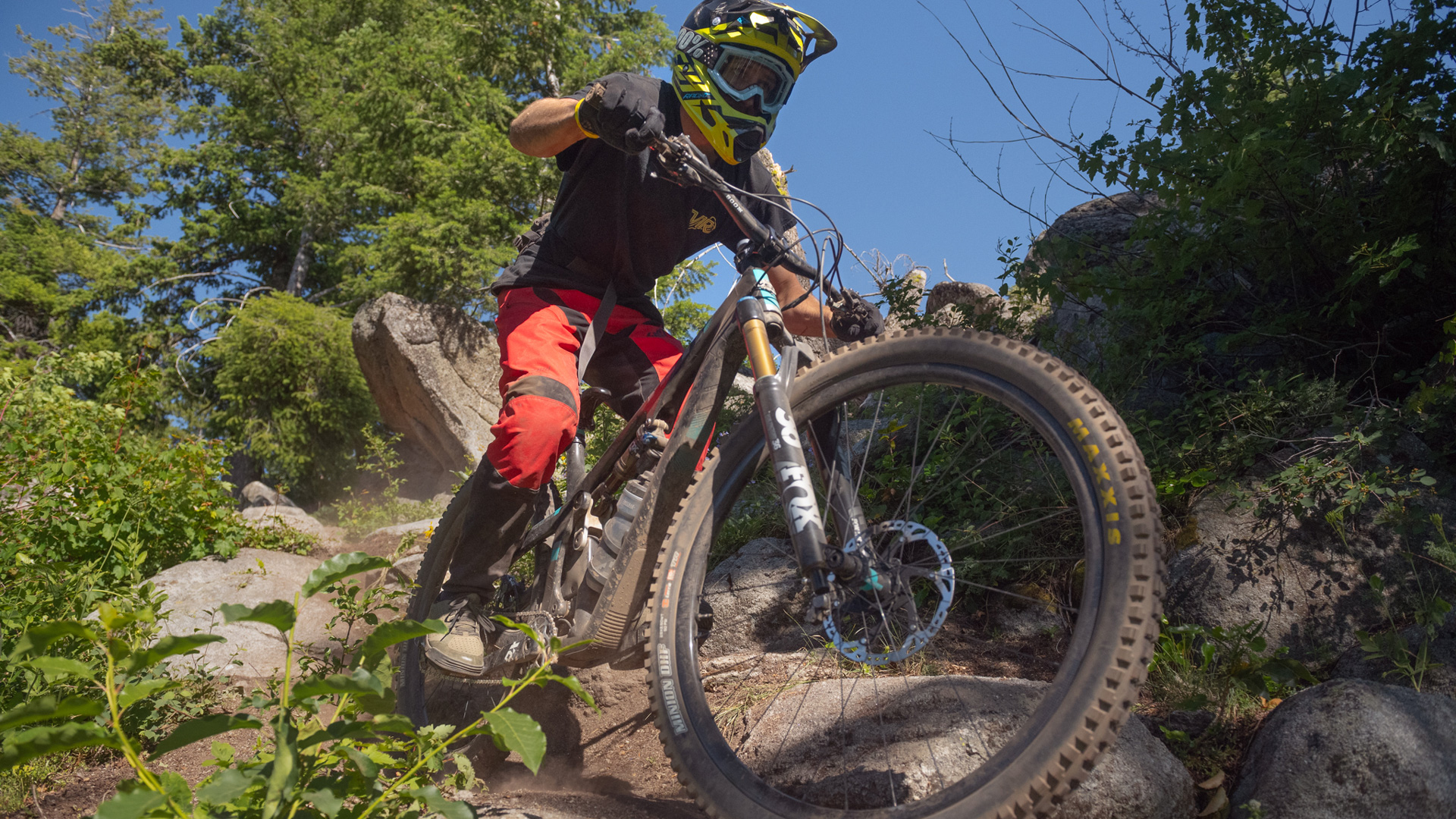
How to stay safe while mountain biking
Know before you go – make sure to review the trail maps and know your skill level! Green trails are easier, blue are more difficult, and black is most difficult. Stick to what you feel comfortable with, ride with a friend, and avoid going off trail. If you are looking to improve your skills with a professional, book a group or private lesson!
Try to limit distractions as much as possible while riding the trails. Avoid playing loud music on speakers or on headphones so that you can hear other riders. Do not ride if you are feeling fatigued or if you are under the influence to ensure mountain safety for all riders.
Always Ride RAD!
R – be READY – to stop at any time
A – be ALERT– to avoid others
D – DISTANCE – yourself appropriately
When you ride RAD, you help to prevent collisions, protecting yourself and others from potential injuries.
Wear a Helmet!
Ensure that your helmet fits properly and replace it after a fall! Damaged helmets can affect the likeliness of head injuries just as much as no helmet at all.
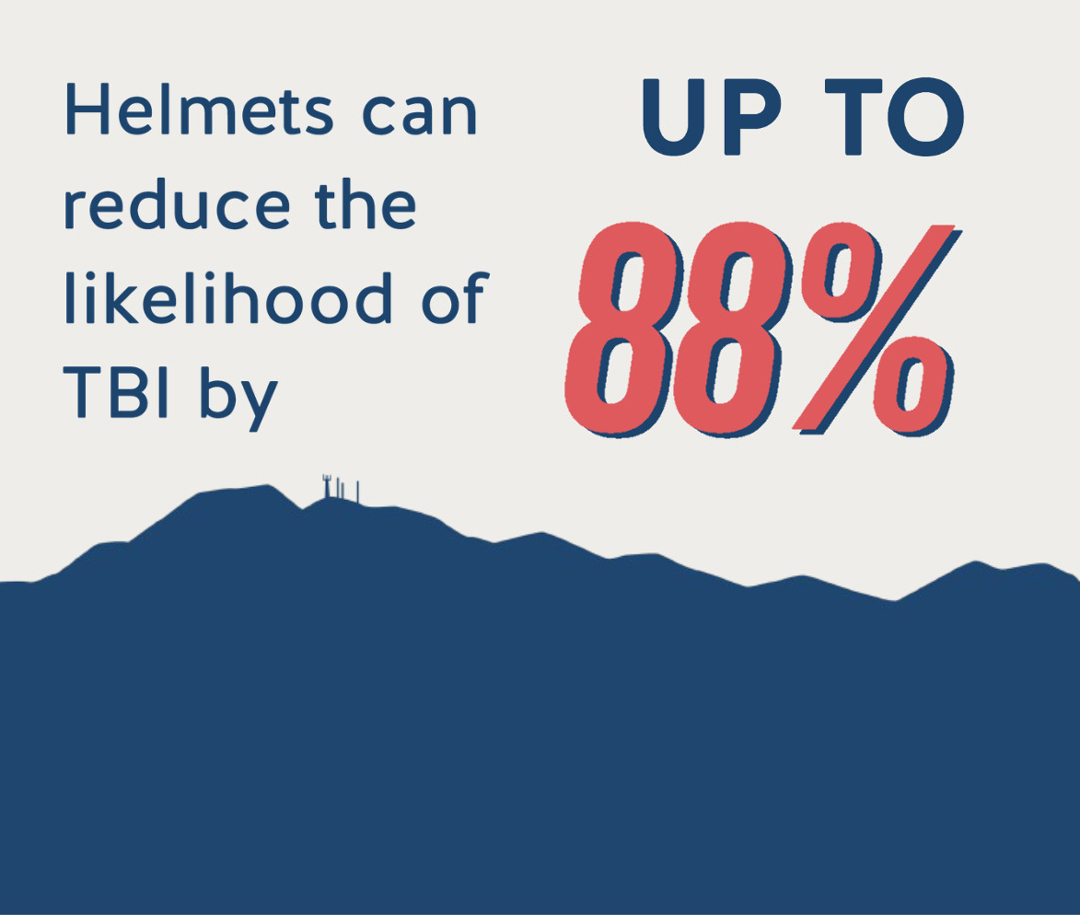
- Helmeted riders are less likely to have serious and fatal head injuries
- Helmets can lessen the amount of force that impacts your head, as well as stabilize the head
- When looking at a study with patients admitted to hospitals for sports-related head injuries, those who wore helmets had lower costs on average than patients who were not wearing helmets
Make Sure it Fits
Wearing a well-fitting helmet maximizes the protection you get from wearing one. Finding a helmet that fits properly and is in suitable condition can make a world of difference when it comes to protecting your brain while out on the trails. Helmets absorb impacts to the head and protect from external injuries such as puncture wounds or abrasions. However, if your helmet isn’t in the right condition or does not fit well, it can’t provide the same protection.
Ensure that your helmet fits properly and replace it after a fall – damaged helmets can affect the likeliness of head injuries just as much as no helmet at all.
A well-fitting helmet should:
- Be easily adjustable to ensure that riders can make their helmet fit properly without too much effort
- Sit level on your head and rest lower on your forehead
- Feel comfortable yet secure and snug, enough to where it won’t move if you shake and move your head
- Have straps that securely buckle and form a “V” shape around your ears
Watch this video for a step-by-step breakdown of how to fit your helmet correctly:
What to do if you suspect a concussion or TBI while on the mountain
If you hit your head while on the mountain, it is important to seek help as soon as possible, even if you don’t feel like you have a traumatic brain injury.
Immediate signs to look for:
- Blurred vision
- Light sensitivity
- Immediate headache
- Loss of consciousness or altered consciousness
Steps to take if you hit your head:
- Try to rest in a safe spot that is clear and visible to other riders.
- Try to remember your location or look for landmarks
- Contact Mountain Patrol immediately
- Flag others down for help, if necessary
If you suspect someone has a concussion or traumatic brain injury
Call Mountain Patrol immediately if they:
- Are unconscious or if they are confused, having cognitive difficulties, or are drowsy
- Have blurry vision, a headache, or light sensitivity
- New gait issues can be a sign of brain injury. Gait issues can appear as –short steps, uncoordinated movements, difficulty standing, off dragging toes, limping, and shuffling
When in doubt, call Mountain Patrol: (208) 332-5350
Concussion TBI Prevention When Mountain Biking
When taking to the mountain bike trails this summer, ensure your mountain bike is suited for the terrain you plan to ride. Check that the brakes are fully functional, the tires are properly inflated and have adequate tread, and all components (handlebars, pedals, chain, and suspension) are secure and in working order. Riding a bike that is not properly maintained or designed for off-road use increases the risk of losing control and sustaining injury, such as concussions.
Be sure to wear properly fitting protective gear, such as helmets, pads, and braces, and ride within your skill-level and ability to avoid maneuvers that can increase the likelihood of falls or injury. Before heading out, check the Trails Report page for current trail conditions, closures, and any operational updates. Know before you go – conditions can change quickly, and staying informed reinforces good decision making.
Raising awareness through education helps people take the right precautions – so share this article with a friend or family member, grab your helmet, and enjoy a safe, fun ride.
About Bogus Basin Bogus Basin Mountain Recreation Area is a 501(C)(3) organization dedicated to engaging the community to provide accessible, affordable, and fun year-round mountain recreation and education. Opened in 1942, Bogus Basin offers 2,600 acres of daytime skiable terrain and 200 acres for night skiing, seven chairlifts and three conveyor lifts, and an 800-foot tubing hill. The Nordic Center offers 37 kilometers of groomed trails for skiing and snowshoeing. Environmental education and community outreach programs, primarily youth, serve over 20,000 individuals annually. Summer activities include The Glade Runner Mountain Coaster, The Mine Shaft Challenge Course, mountain biking, events, hiking and chairlift service for hike and bike transport. Bogus Basin is located 16.5 miles north of Boise, Idaho, and operates under a special use permit with the Boise National Forest. www.bogusbasin.org